






Wellbeing, purpose, and organizational culture are today key pillars for companies that want to care for their people and grow sustainably. Just Wellness was born with the aim of going beyond one-off actions and turning corporate wellbeing into a real lever for transformation, impacting both individual health and collective performance.
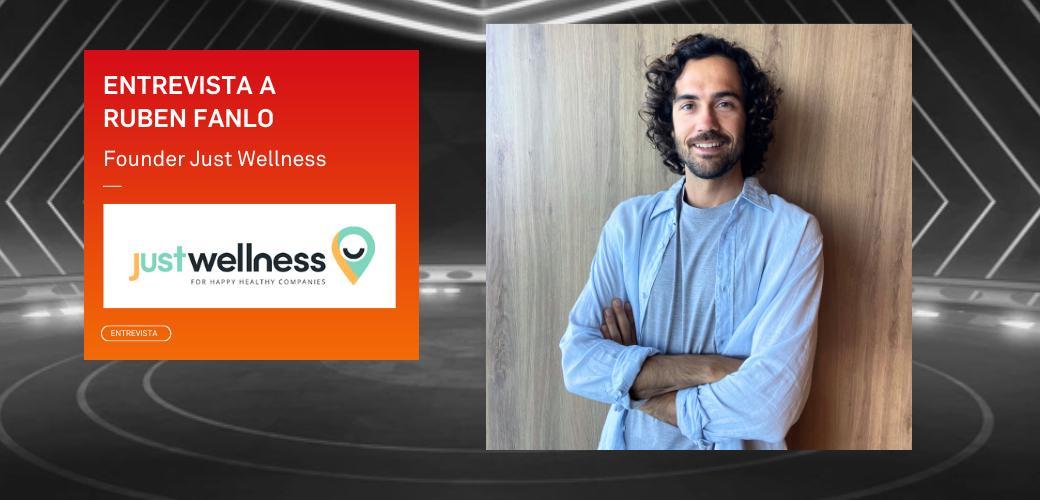
We speak with Rubén Fanlo, Founder of Just Wellness, to understand where this initiative comes from, what its mission is, and how they help organizations build healthier, more conscious workplaces aligned with purpose-driven leadership.
Just Wellness is a consultancy specialized in corporate wellbeing that designs and implements experiences to care for the physical, emotional, and social health of teams. Where did the need to create the company come from, and what is your mission today?
The need arose from the desire and passion to help improve people’s health. Our mission is to plant the seed of wellbeing in individuals, and doing so through Just Wellness allows us to reach many more people than we could individually. Moreover, by improving people’s health, we also improve organizations. And that is contagious.
The concept of a “healthy company” has gained prominence within organizations. What needs do you detect in teams to advance toward this model, and which profiles within the company usually drive corporate wellbeing initiatives?
We live in a time of high social pressure. Everyone wants to give their best version in all areas of life, and for various reasons, this pressure on oneself is very strong. This is especially stressful for humans. Therefore, increasing stress tolerance is one of the main areas we work on, always from a holistic view of health.
On the other hand, Just Wellness also provides tools to different profiles within the organization to improve leadership and soft skills. Our approach is fully holistic: we not only help improve stress tolerance through mindfulness, self-awareness, breathing, healthy nutrition, sleep hygiene, or movement, but we also support organizations in building a leadership culture with much more purpose.
We work closely with Human Resources, Occupational Health & Safety, and sometimes with marketing and events.
_20260105112543.jpeg)
You work with customized programs integrating yoga, mindfulness, stress management, nutrition, or movement. How do you approach the design process of a program, from initial diagnosis to implementation?
Sometimes the company already has identified the need and knows exactly what it wants, requesting it directly from us. In other cases, we prepare a survey for employees to identify internal needs and focus very specifically.
The reality is that in most cases, we work in a highly personalized way with our contact within the company, holding all necessary meetings to ensure the action has real impact. I won’t lie: this generates a lot of work and hours, but dedicating time to define the program properly with each company is very rewarding.
Ultimately, we are talking with people who share the same mission as us: improving the wellbeing of their employees.
Innovation is key to offering transformative experiences. How do you incorporate new approaches, methodologies, or digital tools to enhance the impact and participation in your programs?
In our actions, we always include careful, pleasant, and fresh digital communication to improve participation in the programs.
In many of our proposals, we also integrate technology, either through gamified learning during sessions or interactive formats in yoga sessions or active breaks. This helps us generate more engagement and a different experience for teams.
The sustainability of wellbeing programs depends on generating real changes in internal culture. How do you measure impact on people and organizations and ensure progress is maintained long-term?
We measure it mainly through engagement with actions and satisfaction surveys. In some corporations, we also offer services like nutrition or psychology, and a very high percentage of employees participate. This is a good way to see that the seed we planted is bearing fruit and that people want to help it grow.
What is your main short-term priority? And in the long term, what goals do you set?
In the short term, our priority is to continue consolidating and expanding wellbeing programs in the companies we already work with, deepening their impact and ensuring they are sustainable, coherent, and fully aligned with each organization’s culture.
In the long term, we want to grow Just Wellness as a benchmark in corporate wellbeing, significantly expand our impact on people and organizations, and continue developing innovative proposals that help transform organizational culture and put health and wellbeing at the center of business decisions.
At INDESCAT, we promote building collaboration bridges between companies. What types of companies do you think you can create synergies with, and why?
We believe we can generate synergies with companies that see wellbeing as a strategic part of their project and not as a one-off action. Especially organizations related to health, sports, innovation, technology, and user experience.
We already have some clients within INDESCAT, and we are open and excited to collaborate with other cluster companies that align with our vision of wellbeing and want to launch joint projects.
What do you think being part of a cluster like INDESCAT can bring you?
Being part of a cluster like INDESCAT can bring us connection, learning, and perspective. We strongly value sharing knowledge, creating alliances, and generating joint projects that have real impact.
For us, INDESCAT can be a space to grow, contribute our corporate wellbeing experience, and at the same time get inspired by other companies that also prioritize putting people at the center.


_20231003113532.png)